Mini smart switch and mini smart module buying guide
A small module can add smart control where space is limited, but Mini does not mean it fits every wall box. Check the actual dimensions and intended function before ordering.
Wall switch or concealed module?
A wall switch replaces the control face; a module may fit behind a switch or in a designated enclosure, depending on its design. Define the function first: lighting, curtains or another control task. Do not use a module for an application its manufacturer does not specify.
Dimensions and installation space
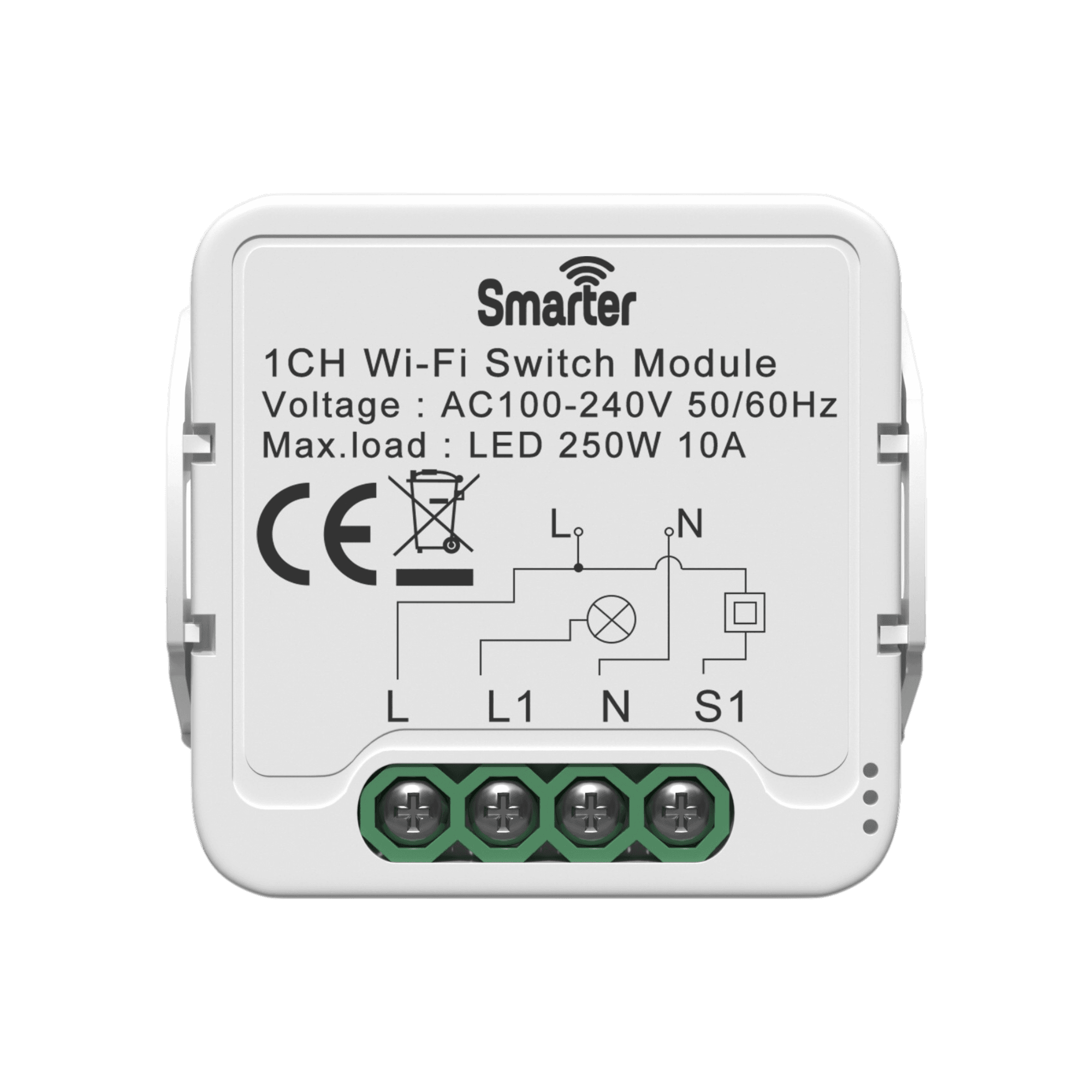
Compare device dimensions with the available internal space, allowing for wiring and installation clearances required by the manual. External dimensions alone do not establish suitability for a crowded wall box. Ask a qualified installer to check before installation.
WiFi or Zigbee versions
Check the protocol for the selected option, supported app and any hub requirement. The same product family may include different protocols or channel counts. Choose the correct combination before adding the module to your cart.
Specifications worth checking
Confirm channel count, switch-input type, neutral-wire requirements and the supported load type and rating. Check power-restoration behavior and manual operation if they matter to you. These features are model-specific; they cannot be inferred from the word Mini.
Common questions
Will any mini module fit behind my switch?
No. Compare its dimensions, connections and installation requirements with the actual wall box.
Can a lighting module control a curtain motor?
Do not assume so. Use a model intended for that function and motor or load, within its specifications.
Platform references: Tuya · Zigbee — Connectivity Standards Alliance